Powell River Top General Contractor for Quality Construction Services
Powell River Top General Contractor for Quality Construction Services
Blog Article
General Contractor: Your Preferred Professional for Home Undertakings
A general contractor fulfills an essential role in residential construction. They manage various aspects of building work, ensuring that everything runs smoothly. Their knowledge in building codes and regulations allows them to handle the complexities of licenses and inspections. This expert serves as a vital link between homeowners and specialized tradespeople. However, many homeowners stay uncertain about the complete range of their offerings. Understanding these specifics can greatly impact the outcome of any renovation project.
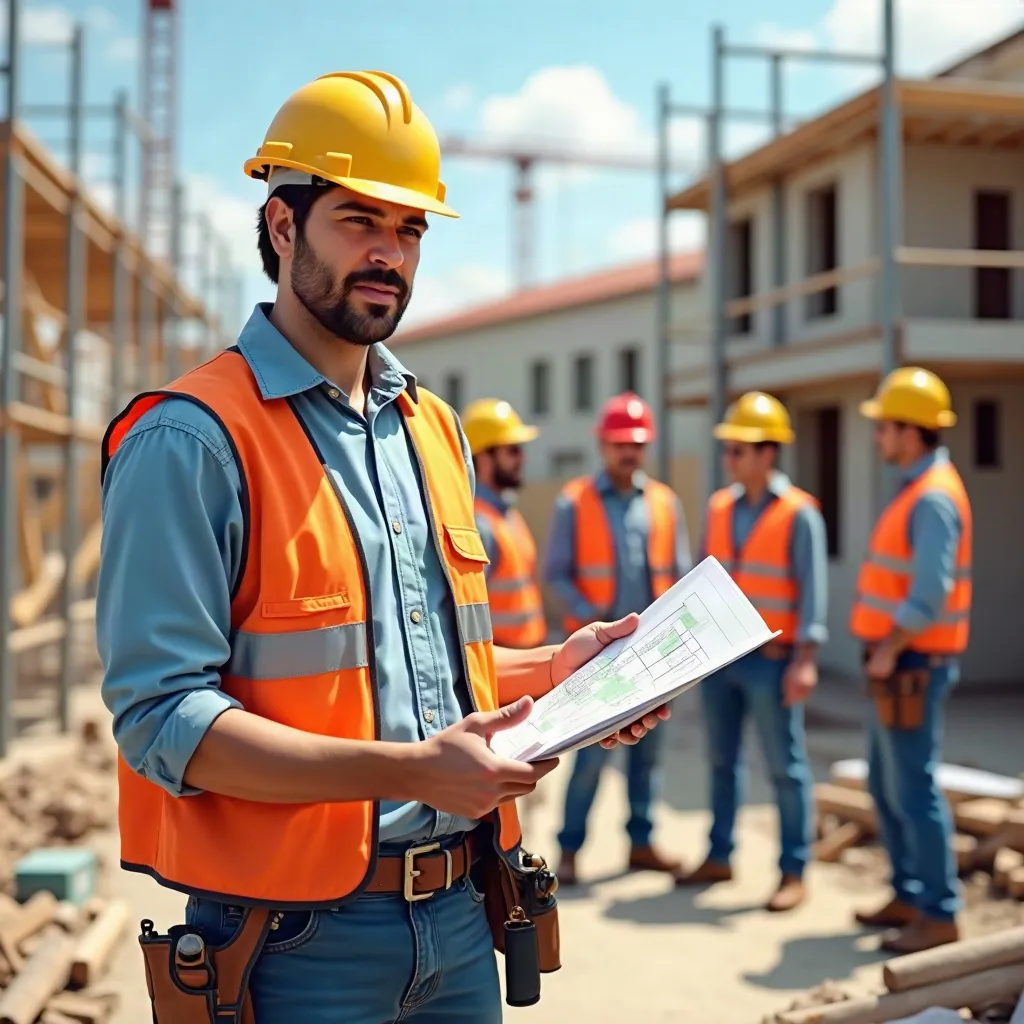
Which Duties Does a General Contractor Handle?
A general contractor manages the multiple aspects of a building project, making certain that operations proceed without interruption from start to finish. They act as the chief communication hub, handling communication between clients, trade contractors, and suppliers. This role involves structuring the project timeline, supervising crew members, and ensuring conformity with area construction rules and standards.
General contractors are responsible for acquiring required licenses and arranging inspections, which are vital for upholding safety and quality benchmarks. They also handle budgeting, sourcing materials, and managing on-site activities to mitigate any potential delays or issues. In addition, they supervise subcontractors, ensuring that each phase of construction conforms to project specifications and timelines. Overall, a general contractor's knowledge and management abilities are crucial for delivering a successful construction project, transforming a client's vision into reality while managing multiple duties and obligations.
Retaining a a professional builder for residential upgrades provides countless advantages that can greatly boost the quality and efficiency of the project. General contractors bring specialized knowledge in managing projects, ensuring that timelines are met and resources are allocated efficiently. Their established connections with specialized contractors can generate better rates and excellent craftsmanship, which finally benefits homeowners regarding both cost and time.
Furthermore, general contractors address the complex elements of approvals and reviews, limiting potential legal issues. They also supply a one main contact, facilitating interaction and management among various trades. This consolidation reduces the likelihood of errors and postponements.
Moreover, their background allows them to predict upcoming obstacles, making possible proactive solutions to keep the project on track. By hiring a general contractor, homeowners can focus on their vision while gaining peace of mind, recognizing that a professional is supervising every aspect of the renovation.
Dispelling Common Myths Surrounding General Contractors
While many homeowners may hold false beliefs about contracting professionals, understanding the truths can lead to more educated decisions. One prevalent myth is that hiring a general contractor is not needed for small projects; however, their expertise can simplify even minor renovations, ensuring adherence with local codes. Another common belief is that general contractors are merely middlemen, but they often possess broad knowledge in multiple areas, enabling them to oversee projects effectively. Additionally, some homeowners think that working with a contractor will significantly increase costs. In truth, a professional contractor can often secure better rates for materials and labor due to strong relationships with vendors and subcontractors. Finally, many believe that contractors are inflexible, but trusted contractors prioritize client communication and collaborate closely to meet individual needs. Cleared up myths can empower clients to leverage the true value of contractors in achieving effective home projects.
Selecting the Right General Contractor?
How can property owners guarantee they select the best general contractor for their projects? The process begins with thorough research. Homeowners should seek recommendations from friends, family, or online reviews to find qualified contractors. Once a compilation is compiled, verifying credentials, such as licensing, bonding, and insurance, is crucial to verify legitimacy.
Next, homeowners should request and review portfolios of previous work, emphasizing projects similar in scope. Arranging consultations allows homeowners to determine suitability, discussing deadlines, finances, access resource and goals. It's also advisable to gather multiple bids for comparison, delivering a clear understanding of costs.
Assessing references provides insight into a contractor's competence and integrity. Ultimately, trusting one's instincts is important; an first consultation can expose a contractor's way of communicating and methodology. By adhering to these guidelines, homeowners can significantly boost their chances of selecting a general contractor who suits their objectives and goals.
Powerful Communication Tactics To Use With Your General Contractor
Which approaches can homeowners utilize to guarantee proper interaction with their general contractor? Initiating open dialogue from the outset is necessary. Homeowners should explicitly state their needs, project objectives, and cost parameters during first meetings. Ongoing reports can be supported through arranged conferences, confirming that both parties remain coordinated throughout the project.
Documented materials, including emails or project logs, helps reinforce spoken understandings and reduces misunderstandings. Homeowners should also encourage open dialogue by soliciting comments and inquiries from the contractor, fostering a collaborative environment.
Additionally, harnessing technology, like project management apps, can optimize information sharing by supplying a centralized platform for posting updates, timelines, and changes. Finally, displaying respect and friendliness can improve rapport, facilitating it easier for the contractor to share challenges or suggestions productively. By adopting these methods, homeowners can build a productive and transparent relationship with their general contractor.
What to Expect When Your Undertaking Launches?
As the work commences, homeowners can expect a rush of action on-site. The lead contractor will manage teams of skilled tradespeople, along with electricians, plumbers, and carpenters, who will get started their responsibilities per the established timeline. Homeowners may notice equipment and goods being delivered, creating a bustling atmosphere.
Remaining in communication is essential during this phase. The contractor will share updates on how things are progressing and address any worries that emerge. Homeowners should ready themselves for potential disturbances, such as noise and restricted access to particular areas of the home.
Safety measures will be in place to safeguard both workers and residents, guaranteeing a secure environment. Additionally, homeowners may be prompted to maintain flexibility, as unexpected problems can arise, necessitating adjustments to the original plan. Overall, this initial phase sets the stage for the successful completion of the project, and active participation is essential.
Vital Questions for Your General Contractor Arrangement?
Identifying the proper inquiries to ask when completing a general contractor agreement is crucial for guaranteeing a seamless project. Homeowners should question about the contractor's permit and coverage to confirm their qualifications and protection against risks. Understanding the project timeline and benchmarks is meaningful; therefore, asking about anticipated completion dates helps regulate expectations.
It is also vital to set payment terms, comprising deposit amounts and payment arrangements, to eliminate misinterpretations. Property buyers should require a detailed breakdown of costs, detailing materials and work, to ensure transparency. Furthermore, exploring the process for addressing revisions or unforeseen issues can forestall tensions going forward.
In conclusion, homeowners should investigate details about subcontractors and their qualifications, as well as the contractor's communication approach throughout the project. By reviewing these points, homeowners can develop a strong relationship with their lead contractor, ultimately achieving a successful construction project.
Common Inquiries Asked Often
What Methods Do General Contractors Use to Invoice for Their Services?
Contractors generally collect fees via predetermined rates, hourly pricing, or a percentage of the total project cost. Their pricing structure may also include resources, labor, and running costs, contingent on the project's complexity and scope.
Can a General Contractor Offer Aid With Permits and Reviews?
Yes, a construction contractor can help with securing permits and managing inspections. They routinely work with local codes and guarantee compliance, streamlining the process for homeowners while supporting necessary authorizations throughout the building project.
What Skills Should I Locate in a General Contractor?
When selecting a construction professional, one should evaluate qualifications such as proper licensing, insurance, experience in relevant projects, solid recommendations, and strong communication abilities, guaranteeing they have the required knowledge to manage the project effectively.
How Long Does a Standard Home Renovation Project Take?
A ordinary home renovation project can span anywhere from a few weeks to several months, reliant on the breadth, complexity, and size of the project, as well as the supply of materials and labor.
What Takes Place if My Assignment Goes Over Budget?
Should a project exceed the budget, the contractor typically discusses the causes and alternatives with the homeowner. Modifications may include scaling back, seeking additional funding, or revising the project scope to conform to budget constraints.
Report this page