Professional Dunellen General Contractor with Skilled Craftsmanship
Professional Dunellen General Contractor with Skilled Craftsmanship
Blog Article
Why Selecting the Correct General Contractor Is Vital for Your Project
Identifying the right main contractor is a fundamental decision that can markedly determine a project's success. A fit contractor secures efficient management and adherence to financial plans. Their ability to navigate challenges and maintain clear messaging is paramount. However, many building owners overlook critical variables in this selection process. Understanding these elements can advance to finer outcomes and increased satisfaction. What should one think about when conducting this important choice?
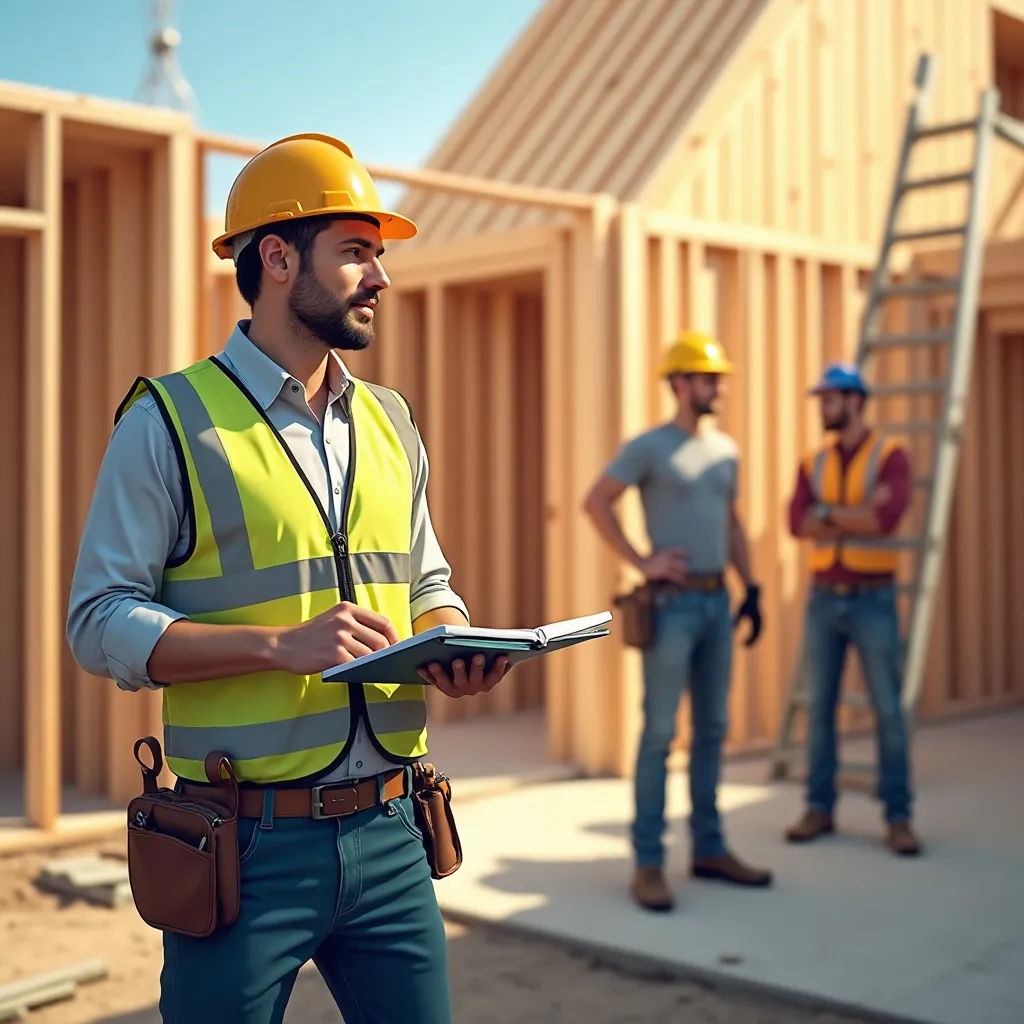
Common Issues in Selecting a General Builder
When selecting a construction contractor, potential clients often encounter several common difficulties that can complicate the decision-making process. One major obstacle is the overwhelming number of options available, which can lead to uncertainty and hesitation. Customers may struggle to distinguish among contractors based on qualifications, experience, and pricing, making it difficult to identify who will best meet their project needs.
One issue is the lack of transparency in contractor bids, where undisclosed charges may appear later, altering the project budget. Moreover, clients may encounter difficulties surrounding dialogue; some contractors may fail to keep clients informed during the execution, producing annoyance. Lastly, clients often deal with confirming a contractor's references and past work, which can create uncertainty regarding the standard of service provided. These find this resource complications necessitate thoughtful review and due diligence to assure the appropriate selection is determined.
Importance of a Reliable General Contractor
A reliable general contractor plays a crucial role in ensuring project management efficiency and maintaining quality standards. Their skill helps streamline processes, reducing delays and expenses. Additionally, a trustworthy contractor upholds excellence, resulting in excellent construction work and client satisfaction.
Optimize Project Administration Results
Efficient project management depends on the trustworthiness of a general contractor. A dependable contractor ensures that deadlines are met, resources are efficiently assigned, and communication runs seamlessly among all stakeholders. Their capability to manage subcontractors, suppliers, and laborers directly impacts the progress and overall success of the project. A trustworthy contractor expects challenges, implements solutions swiftly, and remains focused on project aims This effectiveness fosters a cooperative setting supporting necessary modifications and enhancements. Ultimately, the general contractor's dependability improves both project functions and trust among clients and team members, ensuring everyone stays aligned toward a successful outcome.
Quality Assurance Protocols
Reliable general contractors play a significant role in enforcing quality assurance measures throughout the course of a project. They confirm that all work adheres to established guidelines and industry norms, which is for the lasting quality and safety of the structure. A competent contractor maintains careful oversight of materials and workmanship, performing regular inspections to detect and correct problems quickly. This proactive strategy addresses risks associated with inferior construction, ultimately securing the investment. Furthermore, a reliable contractor fosters communication among all stakeholders, ensuring expectations are clear and met. By emphasizing quality assurance, a skilled general contractor not only enhances the finished product but also builds trust with clients, establishing the basis for successful project outcomes.
Evaluating a Contractor's Background and Track Record
When assessing a general construction professional, understanding their track record and reputation is vital, as these elements significantly affect project outcomes. A contractor's experience typically shows their capacity to handle various project types, complexities, and hurdles. Examining their collection of work delivers understanding into past projects, highlighting craftsmanship and careful attention to specifics.
In addition, reputation functions as a vital role in building trust. Prospective clients should seek online reviews, testimonials, and references to determine satisfaction levels from previous clients. Connecting with past customers can expose the contractor's reliability, communication skills, and maintaining timelines and budgets.
Furthermore, industry affiliations and accreditations can enhance a contractor's credibility, suggesting a commitment to quality and ethical practices. By meticulously examining both track record and credibility, clients can make informed decisions, ultimately establishing the foundation for a victorious construction project.
Key Attributes of a Reputable Contractor
A reliable contractor regularly demonstrates honesty, transparency, and strong interpersonal abilities. These vital qualities form the foundation of a successful professional partnership. Integrity ensures the contractor conforms to ethical practices, offering truthful assessments and realistic timelines. Openness entails fully disclosing project details, including expenses and potential challenges, building trust between the contractor and the client.
Robust communication abilities allow the contractor to efficiently convey ideas, listen to client requirements, and promptly resolve any concerns that arise during the project. Additionally, a dependable contractor demonstrates adaptability, responding to changes and unforeseen circumstances with flexibility and composure. Careful attention to detail is an additional key trait; it reflects a commitment to quality and precision in every aspect of the work. In the end, these qualities not only improve project outcomes but also add to a positive interaction for clients, making the choice of a trustworthy contractor all the more vital.
Important Questions for Bringing On Your General Contractor?
How might someone guarantee they pick the appropriate general contractor for their project? By posing a set of focused questions, potential clients can better assess candidates. To start, inquiring about the contractor's experience with like projects offers insight into their expertise. It's also vital to ask for references; talking with previous clients can uncover the contractor's reliability and standard of work.
Following this, examining licensing and insurance establishes that the contractor adheres to legal standards and protects the client from potential liabilities. Clients should further inquire regarding timelines and project management approaches to gauge how the contractor will handle the project efficiently.
Budget meetings are crucial; asking for a detailed quote helps avoid surprise costs later. Finally, grasping the contractor's communication style preferences can establish the foundation for a productive working relationship. By addressing these key questions, clients can choose wisely in selecting their general contractor.
Why Dialogue Is Important With Your Contractor
Effective communication with a contractor is necessary for project accomplishment. Defining clear expectations and delivering immediate notifications can prevent misunderstandings that often lead to costly delays. Additionally, fostering an honest interaction develops trust, assuring a more seamless teamwork throughout the construction process.
Clear Expectations Establish Achievement
Defining clear expectations is essential for a successful partnership with a general contractor. Effective communication establishes a mutual understanding of project goals, timelines, and budget constraints. When both parties express their needs and concerns, it reduces the risk of misunderstandings that may disrupt progress. A contractor who comprehends the specific requirements can manage resources effectively and proactively handle potential challenges. Additionally, clear expectations promotes accountability, guaranteeing the contractor fulfills commitments and that the homeowner feels engaged in the process. By prioritizing open dialogue early on, clients can enhance teamwork and satisfaction, ultimately resulting in a more seamless project delivery. Clear expectations not only optimize workflows but also foster trust between the homeowner and the contractor.
Rapid Updates Prevent Miscommunications
Establishing defined parameters lays the groundwork for effective collaboration, while consistent communication remains equally essential. Regular reports shared by construction managers can ward off confusion that could arise over the course of a project. When contractors regularly relay progress updates, customers remain informed on schedules, cost changes, and potential complications. This proactive interaction serves to align both parties' intentions and reduces the likelihood of disputes later on. Moreover, if problems emerge, swift communication allows for quicker resolutions, guaranteeing the project stays on course. Through fostering a culture of transparent dialogue, contractors show their commitment to the job's success, ultimately creating a smoother operation and increased client gratification. Consequently, prompt communications function as a cornerstone for maintaining understanding and faith over the course of the building endeavor.
Candid Interaction Generates Trust
As a endeavor unfolds, upholding an honest conversation with the general contractor becomes paramount for encouraging trust and collaboration. Direct communication guarantees that all involved parties have a complete understanding of expectations, timelines, and potential challenges. When trade professionals and customers engage in frequent talks, it lets for the discovery of setbacks before they grow worse, reducing problems. This candor not only builds confidence but also optimizes the overall building experience. Additionally, an open line of communication welcomes feedback, equipping the construction leader to make corrections that align with the client's vision. In conclusion, strong communication establishes a foundation of shared esteem, which is essential for the successful completion of any construction project. Trust fostered through exchange leads to superior performance for everyone involved.
Popular Asked Questions
What procedures should I follow to validate if a Contractor has a valid License?
To check if a contractor is licensed, one should review local regulatory agencies and online platforms, confirm their license number, and ensure it's active. Additionally, examining online reviews can offer insight into their credibility and reliability.
What Insurance Should My Contractor Carry?
A tradesperson should carry overall liability protection, occupational injury insurance, and, if applicable, professional liability insurance. These cover foreseeable harm, workplace injuries, and errors in workmanship, affording fiscal safety for both the tradesperson and the patron.
What's the Most Effective Way to Review a Construction Professional's References?
To authenticate a contractor's endorsements, one should demand a roster of previous clients, connect with them directly, and explore their testimonials. Furthermore, analyzing internet ratings and feedback can present pertinent details into the contractor's dependability.
What Should I Do if Complications Materialize During the Engagement?
If problems emerge during the project, one should record the issues, communicate directly with the contractor, and find a solution. If needed, involving a third party or consulting a legal professional may also be fitting.
Are There Warning Signs to Watch for During the Hiring Process?
Caution signs throughout the recruitment phase encompass vague estimates, lack of references, substandard communication, inadequate licenses, and negative online reviews. These markers suggest potential issues that could impact the project's quality and timeline.
Report this page