Dunellen General Contractor for Residential Renovation and Remodeling
Dunellen General Contractor for Residential Renovation and Remodeling
Blog Article
Why Determining the Best General Contractor Is Key for Your Project
Choosing the right construction professional is a crucial choice that can greatly impact a project's outcome. A qualified contractor guarantees efficient oversight and compliance to financial limits. Their ability to navigate obstacles and preserve transparent dialogue is vital. However, many construction stakeholders overlook important factors in this hiring procedure. Understanding these components can contribute to better results and increased satisfaction. What should one evaluate when determining this important decision?
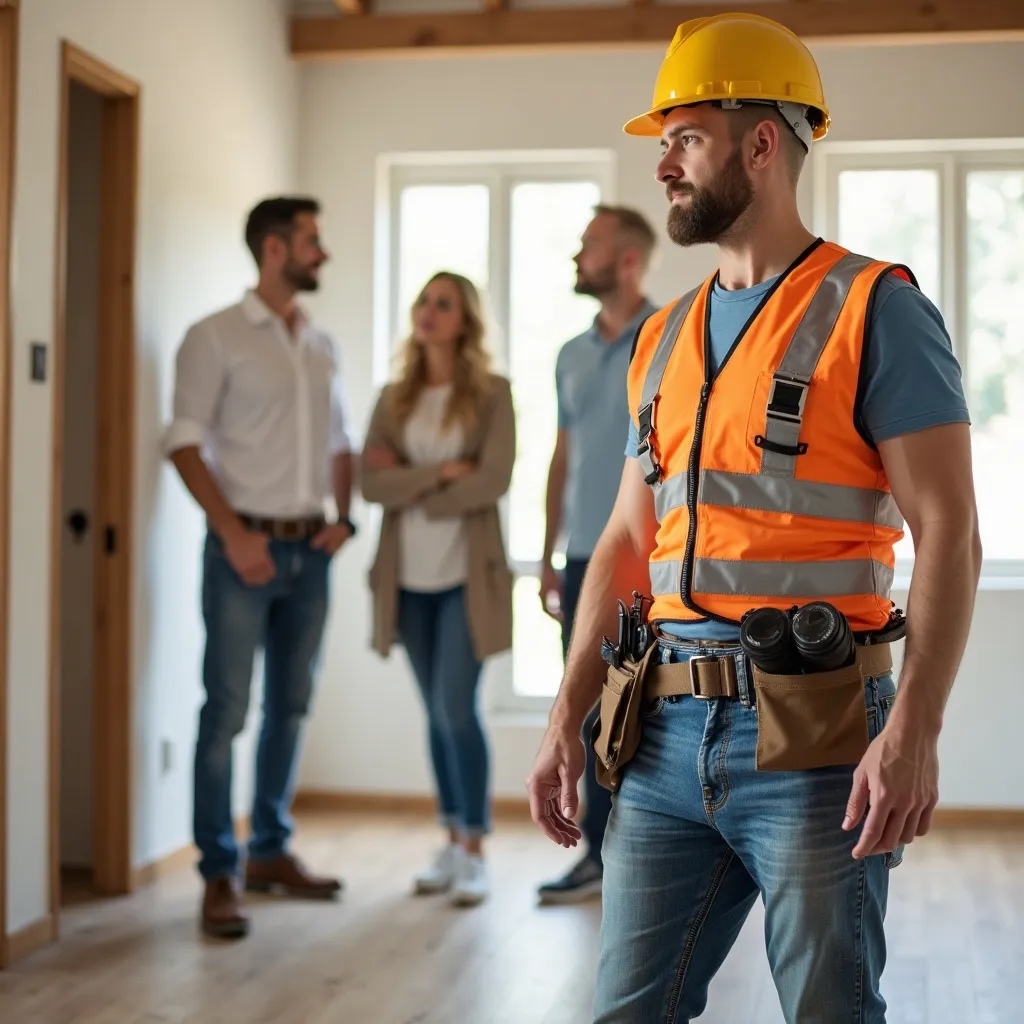
Common Obstacles in Hiring a General Construction Specialist
When selecting a building contractor, potential clients often encounter several common challenges that can hinder the decision-making process. One significant hurdle is the overwhelming number of choices on offer, which can lead to uncertainty and hesitation. Customers may find it hard to differentiate between contractors based on qualifications, experience, and pricing, making it difficult to determine who will best meet their project needs.
Another difficulty is the absence of clarity in contractor proposals, where concealed expenses may surface subsequently, impacting the project finances. Additionally, clients may encounter problems concerning interaction; some contractors may neglect to keep clients informed throughout the process, causing frustration. Finally, clients often grapple with confirming a contractor's references and past work, which can result in uncertainty about the level of service quality expected. These challenges necessitate careful consideration and research to guarantee the right choice is made.
The Value of a Reputable Project Manager
A reliable general contractor serves in an essential role in ensuring efficient project management and maintaining quality standards. Their expertise helps streamline processes, reducing delays and costs. Additionally, a dependable contractor upholds high standards, resulting in quality workmanship and client satisfaction.
Improve Project Administration Performance
Successful project management relies on the dependability of a general contractor. A trustworthy contractor promises that timelines are respected, resources are properly distributed, and communication runs smoothly among all stakeholders. Their expertise in coordinating subcontractors, suppliers, and laborers has a direct influence on the project's progress and success overall. A reliable contractor predicts challenges, applies solutions quickly, and stays focused on goals, minimizing setbacks and budget excesses. This efficiency creates a collaborative atmosphere, enabling adjustments and improvements as needed. Ultimately, the general contractor's reliability enhances both project operations and trust among clients and team members, ensuring everyone remains aligned toward a successful result.
Quality Verification Standards
Reliable building professionals play a pivotal role in upholding standards of quality assurance throughout a project. They ensure that all work meets established guidelines and industry standards, which is vital for the longevity and safety of the structure. A competent contractor maintains rigorous oversight of materials and workmanship, conducting regular inspections to detect and fix issues promptly. This proactive approach mitigates risks associated with subpar construction, ultimately protecting the investment. Moreover, a reliable contractor fosters communication among all stakeholders, ensuring that expectations are clear and met. By prioritizing quality assurance, a skilled general contractor not only enhances the final product but also establishes trust with clients, setting the foundation for successful project outcomes.
Examining a Contractor's Qualifications and Reputation
When selecting a general building professional, understanding their experience and reputation is critical, as these factors profoundly affect project outcomes. A contractor's experience typically demonstrates their competency to oversee diverse project types, complexities, and difficulties. Assessing their work history offers understanding into past projects, demonstrating workmanship quality and meticulous attention to detail.
Additionally, credibility plays a vital factor in forming trust. Prospective clients ought to review online reviews, testimonials, and references to evaluate satisfaction levels from previous clients. Engaging with past customers can show the contractor's reliability, communication skills, and adherence to timelines and budgets.
Furthermore, industry affiliations and certifications can enhance a contractor's credibility, suggesting a commitment to quality and ethical practices. By meticulously examining both experience and credibility, clients can make informed decisions, at last setting the stage for a successful construction project.
Key Attributes of a Trustworthy Contractor
A dependable contractor regularly demonstrates integrity, transparency, and excellent communication skills. These essential qualities form the basis of a successful professional partnership. Integrity guarantees the contractor adheres to ethical practices, providing honest assessments and practical timelines. Transparency involves openly sharing project details, encompassing costs and potential challenges, fostering confidence between the contractor and the client.
Excellent communication skills permit the contractor to effectively convey ideas, comprehend client expectations, and resolve any issues that arise during the project. In addition, a trustworthy contractor exhibits adaptability, adjusting to changes and unexpected circumstances with composure and resilience. Attention to detail is another important trait; it demonstrates a commitment to quality and precision in every element of the work. At the end of the day, these characteristics not only boost project outcomes but also contribute to a positive experience for clients, making the selection of a trustworthy contractor all the more critical.
Critical Topics to Address When Hiring Your General Contractor?
What approach can a person use to ensure they pick the right general contractor for their project? By posing a collection of targeted questions, potential clients can better assess candidates. First, asking about the contractor's experience with comparable assignments provides insight into their expertise. It's also vital to ask for references; conversing with previous clients can reveal the contractor's dependability and standard of work.
Next, examining licensing and insurance confirms that the contractor satisfies legal requirements and protects the client from possible liabilities. Clients should also inquire about timelines and project management approaches to gauge how the contractor plans to handle the project efficiently.
Budget meetings are vital; requesting a detailed quote prevents surprise costs later. Finally, grasping the contractor's communication style preferences can lay the groundwork for a productive working relationship. By addressing these key questions, clients can make informed decisions in selecting their general contractor.
Open Discussion Is Critical With Your Contractor
Effective discourse with a contractor is essential for project success. Clarifying unambiguous expectations and delivering timely notifications can avert misunderstandings that often lead to expensive delays. Additionally, promoting an honest interaction develops confidence, assuring a smoother teamwork throughout the building process.
Explicit Specifications Ensure Success
Establishing explicit expectations is crucial for a successful partnership with a general contractor. Effective communication forms the basis of understanding project goals, timelines, and budget constraints. When both parties articulate their needs and concerns, it minimizes the risk of misunderstandings that can derail progress. A contractor who knows the specific requirements can manage resources effectively and address potential challenges proactively. In addition, transparency fosters accountability, making certain that the contractor delivers on promises and that the homeowner feels involved in the process. By prioritizing open dialogue from the outset, clients can enhance collaboration and satisfaction, ultimately leading to a smoother project execution. Clear expectations not only optimize workflows but also build trust between the homeowner and the contractor.
Rapid Messages Prevent Miscommunications
Setting clear requirements provides the groundwork for cooperative achievement, while steady dialogue is absolutely critical. Frequent updates from a general contractor can avert miscommunication that may arise in the course of a project. When contractors regularly share project updates, clients keep abreast of project schedules, budget changes, and potential roadblocks. This forward-thinking communication aids in align both sides' goals and reduces the risk of disputes down the road. Similarly, when issues develop, immediate notification allows for quicker problem-solving, keeping the project on schedule. By building a climate of transparent exchange, contractors express their commitment toward the undertaking's success, ultimately leading to a better-organized workflow and greater visit now client satisfaction. Therefore, prompt communications serve as a cornerstone for maintaining transparency and trust throughout the building process.
Frank Discussion Establishes Trust
During a undertaking's development, sustaining an candid exchange with the lead contractor becomes crucial for fostering trust and partnership. Effective communication guarantees that all parties have a precise understanding of expectations, timelines, and potential issues. When project managers and patrons participate in consistent dialogues, it allows for the spotting of issues before they escalate, minimizing setbacks. This transparency not only fosters confidence but also enhances the overall construction experience. Additionally, an open line of communication encourages feedback, enabling the construction expert to make refinements that align with the client's vision. Ultimately, strong communication establishes a foundation of mutual respect, which is necessary for the successful completion of any construction project. Trust nurtured through dialogue leads to greater success for everyone taking part.
Common Asked Questions
What methods can I use to assess if a Contractor is Licensed?
To determine if a contractor is licensed, one should review local regulatory agencies and online platforms, confirm their license number, and ensure it's active. Additionally, examining customer feedback can provide insight into their trustworthiness and dependability.
What Insurance Does My Service Provider Require?
A service provider should carry general liability insurance, workers' compensation, and, if applicable, malpractice coverage. These safeguard against potential damages, workplace injuries, and defects in work quality, providing financial protection for both the contractor and the end user.
How Do I Confirm a Service Provider's References?
To assess a contractor's background, one should solicit a inventory of previous clients, reach out to them directly, and learn about their experiences. In addition, studying digital reviews and rankings can furnish valuable insights into the contractor's reliability.
What Can I Implement if Difficulties Present Themselves During the Project?
If problems emerge during the project, one should document the concerns, speak openly to the contractor, and pursue a resolution. If needed, bringing in a mediator or consulting a legal professional may also be fitting.
Are There Red Flags to Watch for During the Hiring Process?
Red flags during the hiring process feature unclear pricing, lack of references, weak communication, partial licenses, and poor online reviews. These clues suggest potential issues that might impact the project's quality and timeline.
Report this page